Alphabet Letter Tracing for Kids: A Designer's Creative Asset
Creating engaging educational materials requires a blend of pedagogical insight and strong visual design principles. For designers, marketers, and content creators in the educational space, a resource like Alphabet Letter Tracing for Kids offers a foundational template that bridges learning objectives with professional aesthetic standards. This digital and printable activity book is engineered not just for preschoolers and kindergarteners, but as a versatile creative asset for those building a brand or product line in the high-content book market.
The Visual Design Foundation of Early Literacy
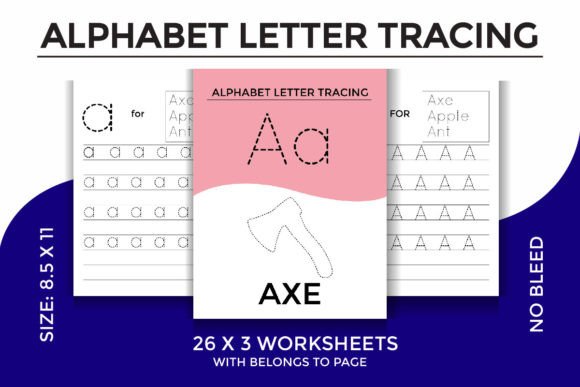
From a graphic design perspective, letter tracing activities are a study in visual hierarchy, clarity, and motor skill reinforcement. The core design challenge is creating pages that are visually stimulating yet not overwhelming, guiding a child's hand and eye with precision. The provided template—with its high-resolution interiors and standard 8.5″ x 11″ dimensions—ensures that the foundational typography and layout are optimized for both print clarity and digital display. This attention to technical detail is crucial for maintaining a professional presentation across all mediums.
Practical Applications for Creative Professionals
This type of asset extends far beyond a single book project. Its clean, structured nature makes it a valuable component in a broader design workflow. Consider its utility in the following creative projects:
- Brand Identity & Merchandise: The consistent visual style of tracing sheets can inform the design of branded educational kits, school supplies, or merchandise, reinforcing a cohesive brand identity centered on childhood development.
- Digital Marketing & Social Media Graphics: Individual letter pages or completed tracing samples can be repurposed into engaging social media content, showcasing product value and driving audience engagement for tutors, preschools, or educational app developers.
- Packaging Design & Editorial Layouts: The illustrative elements and clean lines can inspire packaging for educational toys or be integrated into editorial layouts for parenting magazines and educational blogs.
- UI/UX Design for EdTech: The principles of clear, guided interaction found in physical tracing directly translate to user experience design for educational apps and websites, where intuitive pathways are key.
Customization for Maximum Impact
The true value of a template lies in its adaptability. To create a unique product that stands out and aligns with specific design goals, thoughtful customization is essential. The included files (AI, EPS, SVG, PDF, PNG, JPG) provide a flexible foundation for this process.
- Typography & Color Palette: Adjust the letterforms and color schemes to match a specific brand identity or to create a series with distinct visual themes, from minimalist modern to playful and colorful.
- Imagery & Clip Art: Add, delete, or rearrange decorative elements and illustrations. This allows for the integration of original artwork or specific thematic content that resonates with a target audience.
- Content Structure: Rearrange pages, alter titles, and introduce new activity types. This not only avoids duplicate content issues on platforms like Amazon KDP but also tailors the learning journey to a specific educational philosophy.
By leveraging the provided high-resolution interiors and tested formatting, you ensure a professional, print-ready result. This approach transforms a generic template into a distinctive product that effectively communicates its educational purpose while strengthening your creative portfolio or business offering. Thoughtful design choices in educational materials do more than just look good—they facilitate better learning outcomes and build trust with both the parent purchasing the product and the child engaging with it.