Earth Day Sudoku Puzzle Game: A Design Asset for Engagement
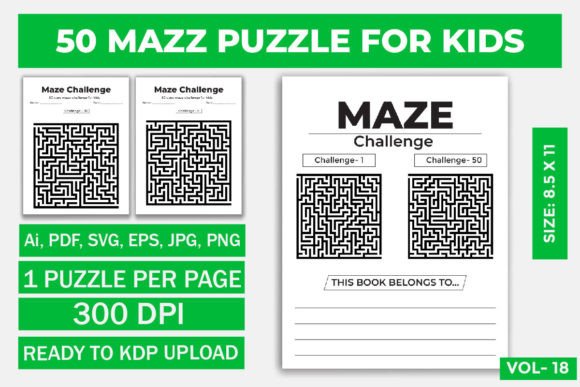
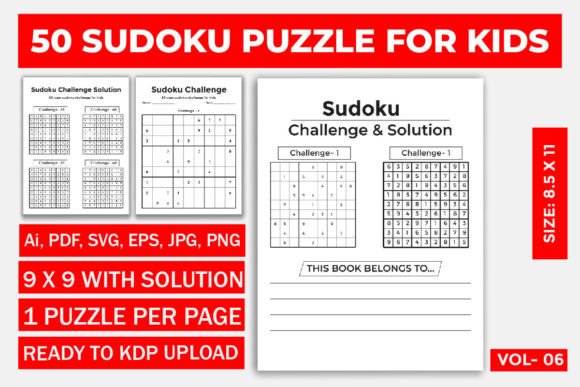
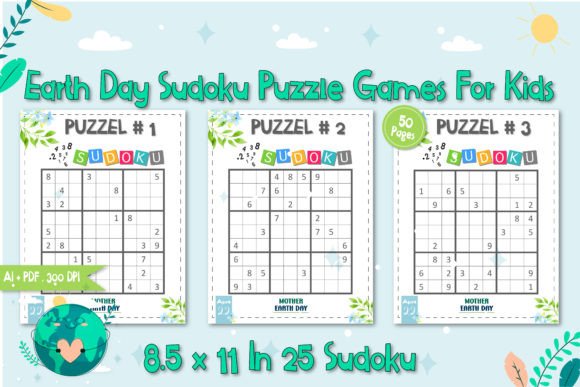
Celebrating Earth Day with a Sudoku Puzzle Game offers a unique opportunity to blend educational engagement with thoughtful graphic design. For designers, educators, and marketers, creating or utilizing such themed materials is more than a seasonal activity; it's an exercise in effective visual communication that strengthens brand identity and user connection. This particular resource, featuring 50 pages of editable Sudoku and maze activities, exemplifies how well-designed printables can serve multiple creative and educational purposes.
The Role of Themed Design in Modern Communication
Themed design assets like the Earth Day Sudoku Puzzle Game are powerful tools for creating cohesive visual narratives. They move beyond generic templates by embedding a clear message—environmental appreciation—into every element. This approach aligns perfectly with modern branding strategies where consistency and purpose drive recognition. When a school, eco-friendly brand, or community group uses such materials, they aren't just providing an activity; they're reinforcing a value system through consistent visual design and color palette choices.
The practical value lies in its versatility. The included PDF and editable AI file provide a foundation for various applications:
- Branding and Marketing: Use the puzzle sheets as part of a larger Earth Day campaign. The consistent theme can extend to social media graphics, website banners, and email newsletters, creating a unified brand experience.
- Educational Packaging: For schools or educational apps, the clean layout and engaging content can be integrated into print design for workbooks or digital products for interactive learning platforms.
- Merchandise and Presentations: The adorable, planet-positive artwork is ideal for creating stickers, posters, or presentation slides for environmental workshops, adding a professional and charming touch.
Practical Applications and Design Workflow Integration
Integrating a resource like this into a design workflow saves significant time while ensuring a polished result. The editable nature of the AI file is crucial for designers aiming to customize elements for specific brand identity projects. You can adjust the typography to match a client's style guide, modify the color palette to align with corporate colors, or even extract and repurpose individual illustrations for other creative projects.
Consider these practical tips for effective use:
- Evaluate for Scalability: Ensure the vector elements in the AI file maintain clarity when resized for different applications, from small social media graphics to large packaging design panels.
- Maintain Visual Hierarchy: The existing layout likely uses size, contrast, and spacing to guide the eye. When editing, preserve this visual hierarchy to keep the puzzles functional and visually appealing.
- Focus on Audience Experience: Whether for toddlers or adults, the UX design principles of clarity and enjoyment are paramount. The "fun and eco-friendly" angle should be communicated through friendly imagery and accessible puzzle formats.
Ultimately, choosing high-quality, theme-specific assets like this Sudoku game demonstrates an understanding of how visual communication can educate and inspire. It’s a testament to the idea that thoughtful design choices—from typography to composition—do more than decorate; they communicate values, foster engagement, and create memorable experiences that resonate with an audience's beliefs and interests.