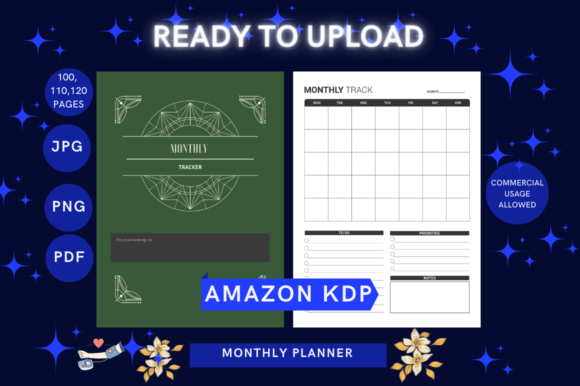
Monthly Planner: Streamlining Creative Workflows
Effective project management is the backbone of any successful creative endeavor, and a well-structured Monthly Planner is a foundational tool for achieving visual clarity and operational efficiency. For designers, marketers, and creators, moving beyond simple scheduling to integrate planning into the core of the design process can transform chaotic workflows into streamlined systems, ensuring every visual element aligns with strategic goals.
The Role of Structured Planning in Visual Design
In graphic design, planning isn't just about deadlines; it's about intentionality. A dedicated planning phase, supported by tools like a Monthly Planner, allows designers to map out entire campaigns, ensuring consistency across all touchpoints. This foresight is critical for developing a strong brand identity, where every piece of communication—from a logo design to a social media post—must tell a cohesive story. By planning monthly themes, color palettes, and content pillars, designers create a visual roadmap that guides all subsequent creative work.
Practical Applications Across Creative Projects
The utility of a structured planning approach extends across numerous design disciplines:
- Branding and Marketing: Schedule monthly brand refreshes, plan seasonal campaigns, and ensure all marketing materials adhere to established typography and color palette guidelines.
- Digital Content Creation: Map out social media graphics, blog visuals, and email newsletter designs weeks in advance, maintaining a consistent posting schedule and visual theme.
- Editorial and Web Design: Plan website updates, UI/UX iterations, and editorial layouts for publications, ensuring a logical flow and improved user experience.
- Product and Packaging Design: Coordinate the launch timelines for new products, aligning packaging design, advertising graphics, and point-of-sale materials.
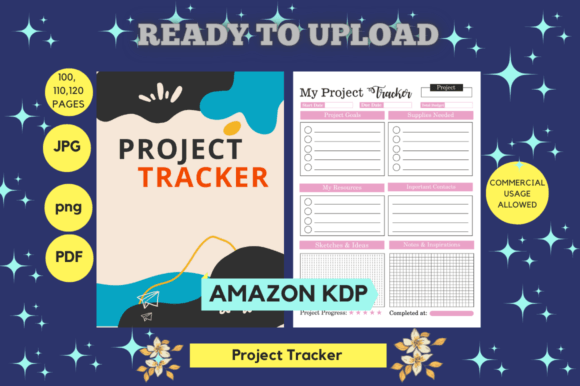
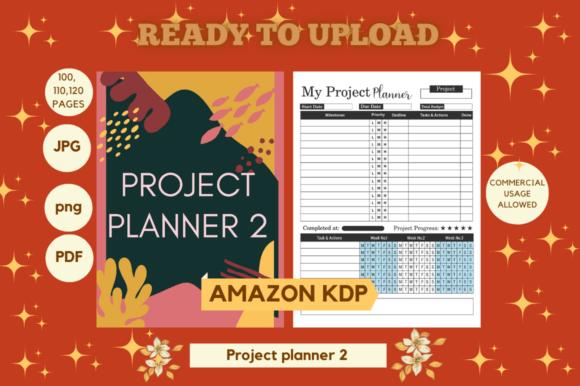
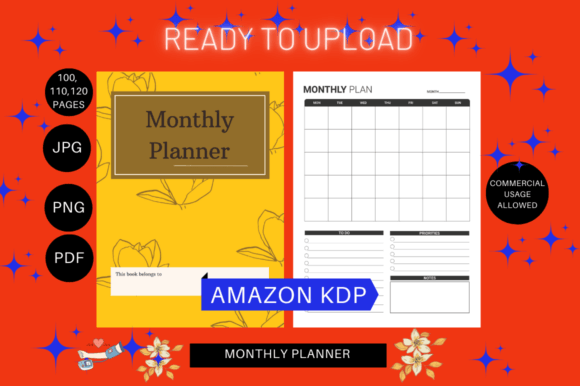
For those creating resources for others, this principle is equally vital. Consider the development of a professional Anxiety Journal & Workbook for platforms like Amazon KDP. The creation process requires meticulous planning to produce a series of print-ready files. Designers must account for precise dimensions (e.g., 8.5″ x 11″), page count variations (100, 110, 120 pages), and technical specifications like bleed settings. Each book in the series must maintain a unified aesthetic while being tested and formatted as a ready-to-upload PDF, ensuring a seamless experience for the end customer and a professional print design outcome.
Integrating Planning into Your Design Workflow
To leverage planning effectively, consider these actionable tips:
- Define Visual Goals First: Before diving into creation, use your planner to outline the primary message, target audience, and desired emotional response for each project.
- Establish a Consistent System: Whether digital or physical, your planning tool should be easily accessible and integrated into your daily routine. Consistency in using it is more important than the tool itself.
- Prioritize Scalability and Hierarchy: Plan how visual elements will scale across different applications—from a small social media icon to a large poster—and establish a clear visual hierarchy for all communications.
- Align with Brand Systems: Use your monthly view to audit ongoing projects, ensuring new designs complement existing brand assets and contribute to a stronger overall identity.
Ultimately, the most compelling designs are born from a marriage of creativity and strategy. By embedding a thoughtful planning process into your practice, you move beyond creating isolated visuals to building cohesive, impactful narratives. Investing in high-quality, print-ready creative assets