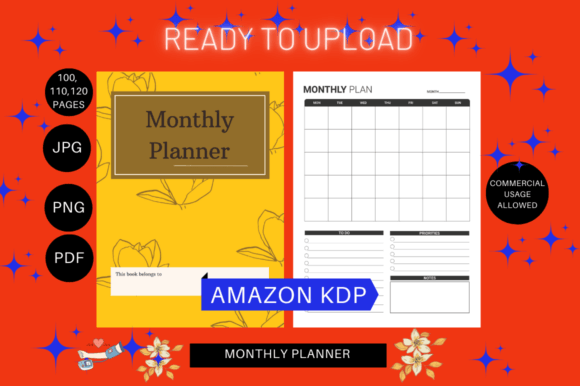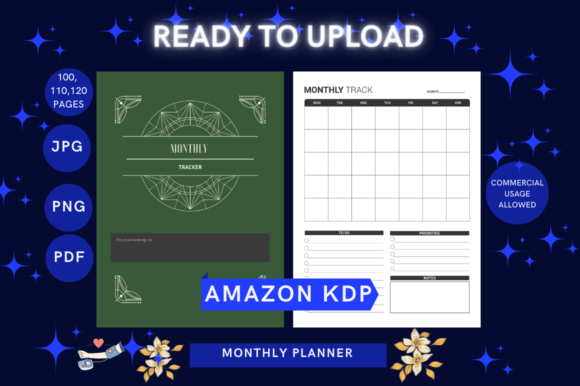
Monthly Tracker: Streamlining Your Design Workflow and Visual Consistency
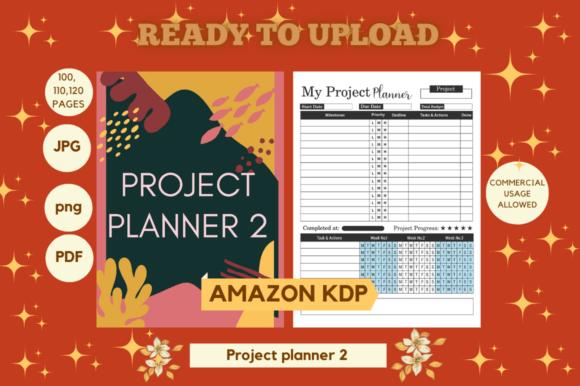
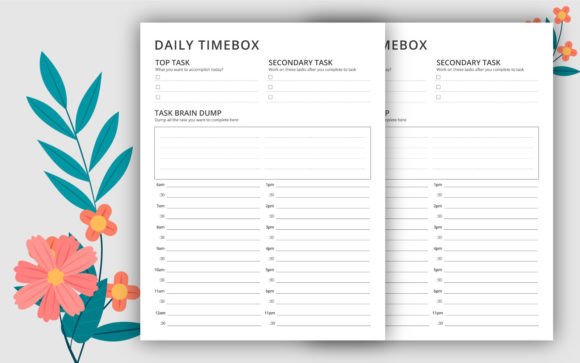
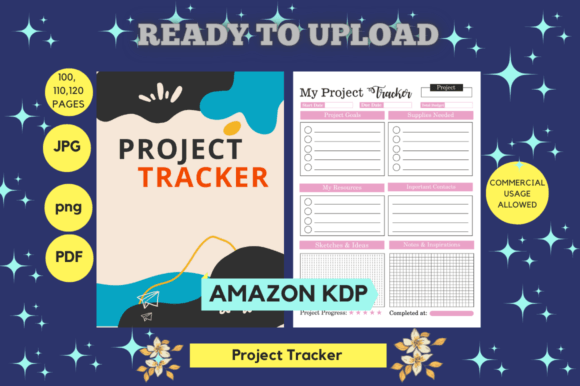
Imagine a single, cohesive system that organizes your entire month of creative output while ensuring every visual touchpoint aligns with your brand's core identity. This is the power of a well-designed Monthly Tracker, a tool that transcends simple scheduling to become a cornerstone of professional graphic design and project management. For designers, marketers, and creators, it offers a structured framework to maintain visual consistency, manage complex projects, and deliver polished results with remarkable efficiency.
The Role of Monthly Trackers in Modern Visual Communication
In today's fast-paced digital landscape, maintaining a consistent and engaging brand presence across multiple platforms is non-negotiable. A Monthly Tracker serves as a central hub for planning and visualizing this presence. It moves beyond a basic calendar, integrating key design assets, campaign timelines, and content pillars into a unified visual plan. This proactive approach is fundamental to effective brand identity management, ensuring that every social media graphic, blog post image, and marketing email contributes to a coherent story.
From a graphic design perspective, the tracker is a dynamic mood board and project timeline rolled into one. It allows you to map out the month's visual themes, ensuring a harmonious color palette and consistent typography across all deliverables. This level of planning prevents last-minute design scrambles and guarantees that your final output reflects a deliberate and professional aesthetic.
Practical Applications Across Creative Disciplines
The utility of a structured monthly plan extends across nearly every facet of design and marketing. Its applications are both broad and deeply practical.
- Branding and Logo Design: Track the rollout of a new brand identity, scheduling the release of logo variations, brand guidelines, and asset kits to internal teams or clients.
- Marketing Materials: Plan the design and production of brochures, flyers, and advertisements, ensuring they align with monthly promotional themes and sales cycles.
- Social Media Content: Visualize your content calendar, assigning specific social media graphics to dates and ensuring a balanced mix of formats—carousels, stories, and static posts—that maintain visual rhythm.
- Website and UI Design: Schedule the implementation of new landing pages, feature updates, or blog layouts, coordinating the work of designers and developers for seamless UI/UX design integration.
- Editorial and Packaging Design: Map out the production timeline for a magazine issue or a product packaging refresh, from initial concept sketches to final print-ready files.
Maximizing Impact with Thoughtful Design Assets
The effectiveness of any planning tool, including a Monthly Tracker, is amplified by the quality of the assets it organizes. When selecting resources for your projects, prioritize assets that are not only visually striking but also built with professional standards in mind. For instance, a resource like an Anxiety Journal & Workbook designed for platforms like Amazon KDP exemplifies this principle. Such a product is more than just content; it's a comprehensive creative asset ready for immediate deployment.
Look for assets that offer:
- Technical Precision: Files should be print-ready, tested for platforms like KDP, and available in multiple formats (PDF, PPT, PNG, JPG) to ensure versatility across print design and digital applications.
- Scalable Design: High-resolution, vector-friendly elements allow for resizing without loss of quality, crucial for everything from packaging design to large-format advertising.
- Organized Structure: Well-labeled layers in design files, consistent margins, and bleed settings save hours of production time and reduce errors.
Integrating these high-quality assets into your monthly workflow ensures that every piece you produce, whether a presentation, a web design component, or merchandise, meets a professional benchmark. This attention to detail strengthens your brand identity and builds trust with your audience.
Ultimately, the deliberate curation and organization of your creative process through tools like a Monthly Tracker and premium design resources is what separates good design from great design. It transforms chaotic production into a streamlined design workflow, allowing you to focus on innovation and visual storytelling. By investing in structured planning and quality assets, you elevate not only the aesthetics of your work but also its power to communicate clearly and connect meaningfully with your target audience.